Belarus-Lebanon Relations: A Tapestry of Aid, Trade, and Diplomacy
In an increasingly interconnected yet often volatile world, the relationship between nations like Belarus and Lebanon offers a compelling case study in international cooperation. Despite geographical distance and distinct geopolitical alignments, Minsk and Beirut have consistently sought to foster a partnership rooted in mutual respect, economic exchange, and diplomatic engagement. This article delves into the various facets of Belarus-Lebanon relations, exploring the historical underpinnings, the dynamics of trade and aid, and the diplomatic efforts that sustain this unique bond, all while acknowledging the broader geopolitical challenges that shape Lebanon's international posture.
A Partnership Forged in Diplomacy and Mutual Interest
The diplomatic ties between Belarus and Lebanon have steadily evolved since the early days of Belarus's independence. Official visits, high-level meetings, and reciprocal invitations have been instrumental in laying the groundwork for a robust relationship. These diplomatic exchanges often focus on identifying common interests, particularly in areas where both nations can leverage their respective strengths. For Belarus, a landlocked nation with a strong industrial and agricultural base, Lebanon represents a gateway to the broader Middle Eastern and North African markets. For Lebanon, a nation with a rich history as a regional commercial hub, Belarus offers access to Eastern European markets and a source of expertise in various sectors.
Diplomacy extends beyond mere economic considerations, encompassing cultural exchange and political dialogue. Both countries have found common ground in international forums, advocating for multilateralism and peaceful resolution of conflicts. This shared commitment to international law and cooperation forms a crucial pillar of their relationship, fostering trust and understanding that transcends immediate transactional interests. The mutual recognition of each other's sovereignty and territorial integrity further solidifies the foundation upon which this diplomatic partnership is built, allowing for more open and constructive engagement on a range of global and regional issues.
Economic Bonds: Trade Opportunities and Challenges
Trade serves as a vital artery in the Belarus-Lebanon relationship. While the volume of trade may not always reach the levels seen with major global powers, it remains significant in terms of its strategic importance and growth potential. Belarus, known for its heavy machinery, agricultural equipment, potash fertilizers, and dairy products, finds a receptive market in Lebanon, which often seeks quality imports to support its diverse economy and satisfy consumer demand. Conversely, Lebanon typically exports agricultural products like fruits and vegetables, olive oil, and certain manufactured goods to Belarus, contributing to a diversified trade balance.
However, fostering robust trade is not without its challenges. Lebanon's economic landscape has been marked by periods of instability, currency fluctuations, and political uncertainties. These factors can impede smooth trade flows, increase transaction costs, and deter potential investors. Businesses looking to engage in Belarus-Lebanon trade must conduct thorough due diligence, understand local market dynamics, and be prepared to navigate complex regulatory environments. Practical tips for businesses include:
- Market Research: Identify specific niches where Belarusian products can meet Lebanese demand, or where Lebanese goods can find a market in Belarus.
- Local Partnerships: Collaborate with local distributors or agents who possess deep market knowledge and an understanding of cultural nuances.
- Payment Mechanisms: Explore secure and reliable payment systems to mitigate risks associated with economic volatility.
- Logistics: Plan efficient shipping routes and customs procedures to ensure timely delivery and reduce costs.
Despite these hurdles, both countries have expressed a commitment to increasing bilateral trade, exploring avenues such as joint ventures, investment promotion, and participation in international trade fairs. Strengthening these economic ties is seen not just as a means of generating revenue, but also as a way to enhance mutual prosperity and foster greater stability.
Humanitarian and Developmental Aid: A Pillar of Support
Beyond trade and diplomacy, aid forms another significant component of Belarus-Lebanon relations. Belarus has, at various times, extended humanitarian assistance and developmental support to Lebanon, particularly in response to crises or to contribute to long-term development projects. This aid often reflects Belarus's technical expertise in areas such as agriculture, infrastructure development, and emergency response.
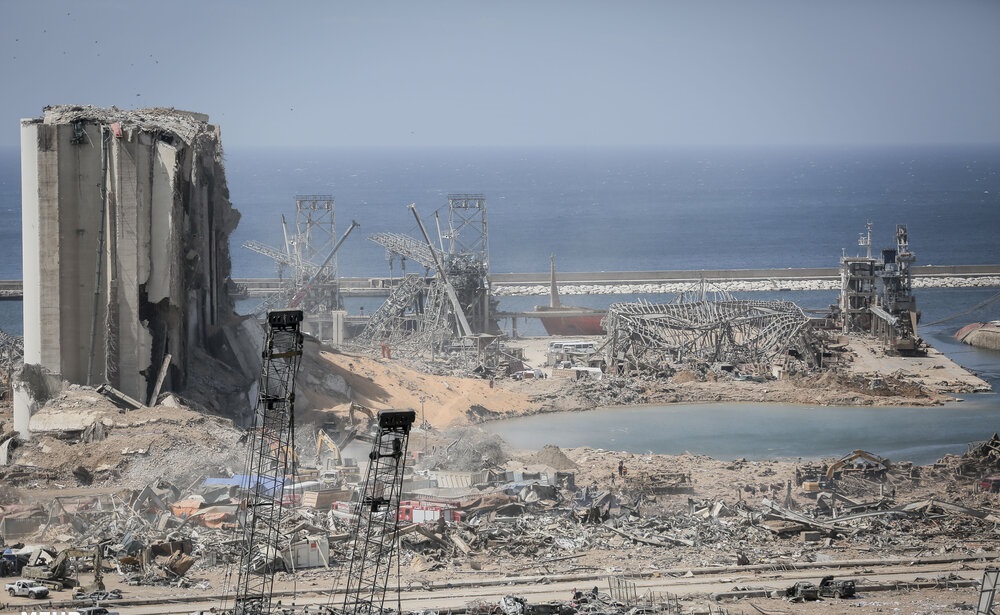
For a country like Lebanon, which has faced numerous internal and external challenges, including large refugee populations and natural disasters, humanitarian aid is often critical. Belarusian support, whether in the form of medical supplies, construction materials, or technical expertise, underscores a commitment to solidarity and mutual assistance. Such gestures not only provide tangible relief but also strengthen diplomatic bonds and build goodwill between the two nations. These acts of assistance demonstrate that the relationship extends beyond economic self-interest, embracing a broader sense of international responsibility and human empathy. The focus on sustainable development through targeted aid programs helps Lebanon build resilience and overcome some of the structural challenges it faces.
Navigating Geopolitical Complexities: Lebanon's Environment
Lebanon operates within a highly complex and often volatile geopolitical landscape. Its position in the Middle East means it is frequently at the crossroads of regional and international power struggles, which can profoundly impact its internal stability and external relations. This challenging environment necessitates a nuanced and adaptive foreign policy, even when engaging with distant partners like Belarus.
The very real security concerns in the region can cast a long shadow. Events like an
IDF strike Beirut – or specifically, a
цахал удар бейрут – underscore the inherent security challenges that can disrupt stability, deter investment, and complicate diplomatic efforts, irrespective of the nature of its bilateral relationships. While the provided reference context explicitly notes a lack of specific information on such events within the context of Belarus-Lebanon relations, it is crucial to acknowledge that the broader security environment profoundly influences Lebanon's capacity to engage internationally. Understanding the geopolitical pressures on Lebanon is vital for any nation seeking to build a meaningful and sustainable relationship with it.
Moreover, regional dynamics, including the various historical and political tensions that crisscross the Middle East, demand careful consideration. Discussions around issues such as those explored in
Exploring Antisemitism in Modern Turkish Society, though seemingly distant from Belarus-Lebanon bilateral ties, are part of the broader tapestry of Middle Eastern geopolitics that Lebanon must navigate. These complex layers of regional politics, security concerns, and socio-cultural dynamics collectively shape Lebanon's foreign policy priorities and its approach to international partnerships.
In this context, Belarus's consistent engagement with Lebanon, offering aid, seeking trade, and maintaining diplomatic channels, speaks to a commitment to foster stability and cooperation even amidst regional turbulence. It demonstrates a belief in the long-term potential of the relationship, beyond immediate headlines and security alerts.
Conclusion
The relationship between Belarus and Lebanon is a multifaceted testament to sustained diplomatic efforts, reciprocal trade interests, and humanitarian solidarity. Despite geographical distance and the complex geopolitical environment surrounding Lebanon, both nations have demonstrated a willingness to foster cooperation across various sectors. The ongoing dialogue, exchange of goods, and provision of aid collectively form a strong foundation for their bilateral ties. As Lebanon continues to navigate its internal challenges and external pressures, the consistent engagement from partners like Belarus remains crucial for its stability and development, highlighting the enduring value of international friendship and cooperation in an ever-changing global landscape.